
Yarn Cat Figures: Make Adorable Orange Kittens Without Special Tools
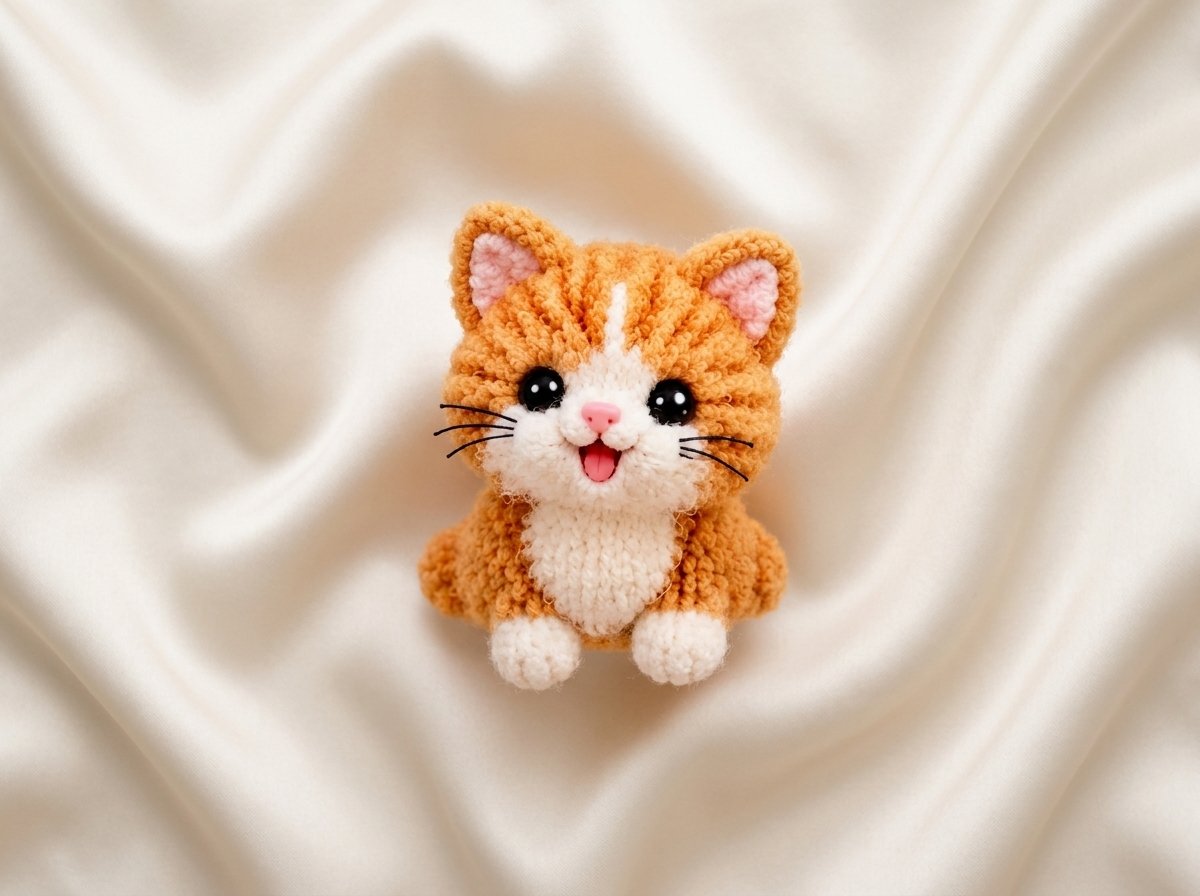
Yarn cat figures are a cheerful way to turn ordinary strands into tiny handmade companions. The featured project shows several small orange kittens with pointed ears, pale muzzles, white paws, bright eyes, whiskers, and sweet pink noses. The public description presents the craft as a simple project made with yarn and no special tools, while the thumbnail shows a fork being used to help wrap the yarn. Because the tutorial is visual, readers can follow the demonstrated process while making their own choices about color, expression, and scale.
What makes these yarn cat figures so appealing?
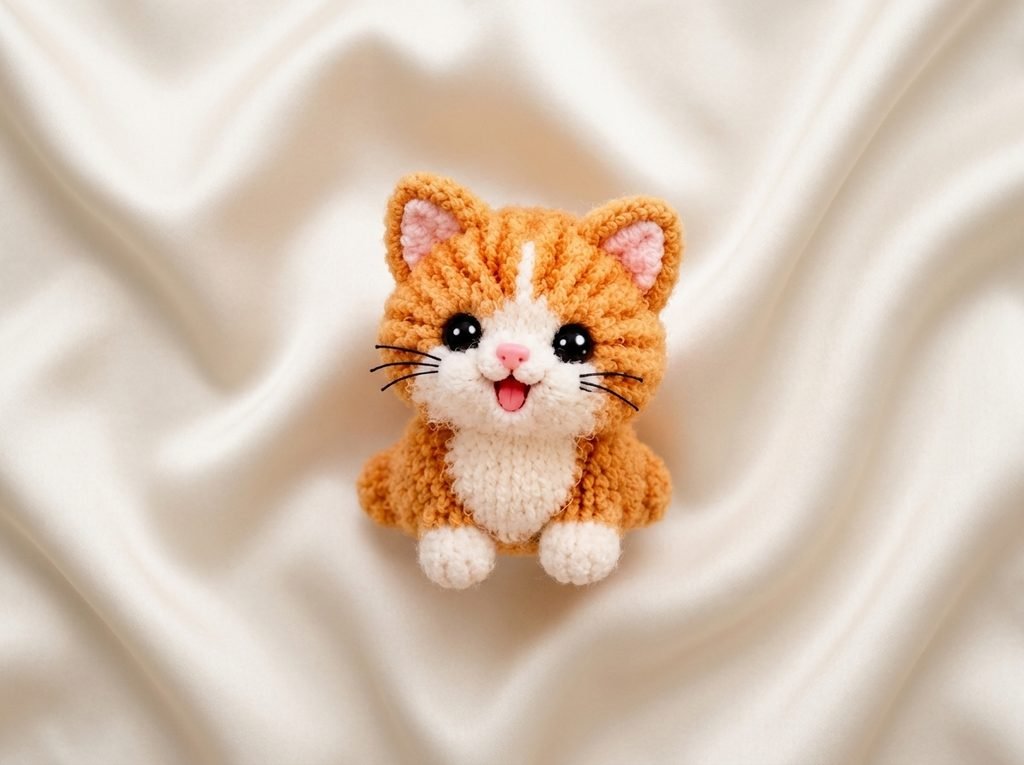
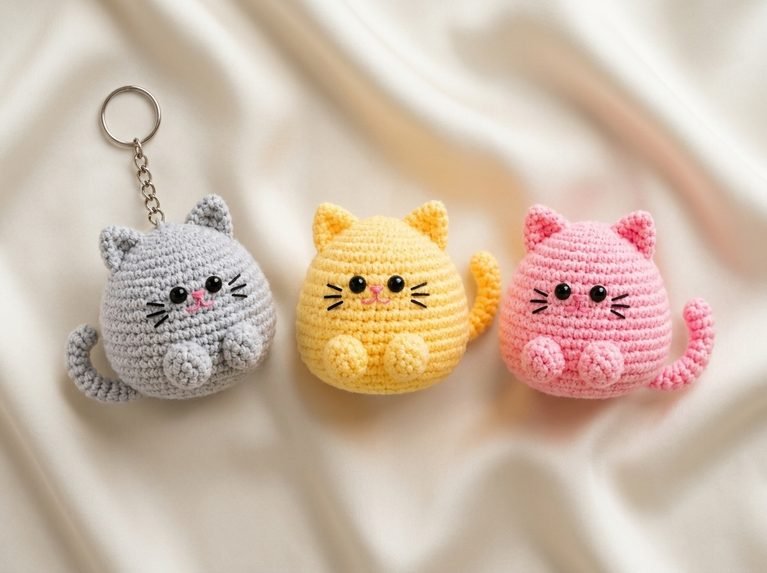
At first glance, these yarn cat figures stand out because their silhouette is immediately recognizable. Each one has a rounded body, a compact head, triangular ears, and little paws that create a plush kitten-like stance. The orange yarn gives the group a warm, lively appearance, while lighter areas around the face and feet add contrast. Dark eyes, fine whiskers, and pink noses supply the small details that make each figure expressive.
The visible yarn texture is part of the charm. Rather than looking perfectly smooth or manufactured, the kittens have a softly fuzzy surface with enough variation to suggest fur. Small changes in how the strands are arranged can make one cat look fluffier, rounder, or more compact than another. That handmade variation is an advantage, especially when creating a group.
Why yarn cat figures work well as a small craft
These yarn cat figures have a strong decorative quality without requiring a large finished object. They could be arranged on a shelf, tucked beside a plant, displayed in a child’s room, or used as cheerful accents for a craft table. A few different colors could also become a small collection of imagined pets, each with its own personality.
The project may appeal to crafters who enjoy tactile work and visible results. It is also a useful idea for using leftover yarn, provided the strands are clean and suitable for the intended display. Since the description emphasizes making the cats in any color, the project naturally supports experimentation rather than a single fixed appearance.
Planning your yarn cat figures before you begin
Before starting, gather the yarn colors you want to compare and decide whether the finished cats should coordinate or look intentionally different. A strong main color can be paired with a lighter shade for the muzzle and paws. Pink is visible in the noses and inner ears of the featured cats, but another soft accent could create a different mood.
Think about the visual balance of each figure. A larger head can make a cat look especially cute, while a fuller body may give it a sturdier appearance. If you are making several pieces, aim for a shared overall scale but allow slight differences in fluffiness. Matching every detail is not necessary; a varied group often looks more natural.
The thumbnail suggests that a household fork is used as a wrapping aid, but readers should treat that as a visible feature rather than a complete materials list. Follow the tutorial carefully for the creator’s demonstrated approach and any additional supplies shown there. Keep small decorative parts away from young children and pets, since facial details can present a choking hazard.
What to watch for while making yarn cat figures
When following the yarn cat figures tutorial, pay close attention to how the wrapping is kept even and how the bundled strands are secured. The appearance of the final cat depends greatly on the density of the yarn bundle. If it is too loose, the figure may look thin or uneven; if it is extremely tight, shaping and fluffing may be less comfortable.
Watch how the creator establishes the head, body, ears, and paws as separate visual areas. The exact construction sequence should be learned from the tutorial rather than assumed from the thumbnail. Pause when needed to compare the developing shape with the finished examples, especially around the ears and face.
Facial placement deserves special attention. The eyes, nose, and whiskers are close together, so even a small adjustment can change the expression. You may want to arrange details temporarily before securing them. Check the cat from the front and from a slight angle to make sure the face remains balanced.
Color and customization ideas for yarn cat figures
Orange gives these yarn cat figures a lively tabby-inspired look, but the same concept could be interpreted in cream, gray, black, brown, or mixed shades. A solid color creates a clean decorative style. Combining two close shades can suggest subtle fur variation, while a darker tone on the ears or tail area may add definition if the design allows for it.
You can also customize the expression without changing the overall shape. Slightly different eye spacing, whisker angles, or nose colors can make one kitten appear curious and another more mischievous. If you make a coordinated set, consider giving each cat a distinct palette while repeating one accent color throughout the collection.
Display is another form of customization. Place the cats together as a small family, separate them among craft supplies, or use them as seasonal shelf decorations. Keep them away from moisture, open flames, and areas where loose fibers may catch on rough surfaces.
Finishing and troubleshooting advice
If a figure looks uneven, gently arrange the strands before trimming or securing anything permanently. Work gradually rather than cutting away a large amount at once. Loose ends can often be blended into the surrounding texture, but the creator’s demonstrated finishing method should remain your primary guide.
If the kitten does not stand as expected, inspect the distribution of yarn and the placement of the lower details. A slightly lopsided appearance may be corrected by redistributing the strands or adjusting the feet. Avoid forcing the piece into shape, since excessive pulling can loosen the structure.
For care, keep finished yarn cat figures dust-free with gentle handling. Avoid soaking them unless the yarn and attached decorations are known to tolerate washing. Store them in a dry place where whiskers and facial details will not be crushed.
Creator
Frequently asked questions about yarn cat figures
Can I make yarn cat figures in colors other than orange?
Yes. The public description specifically says the cats can be made in any color. Try a single shade, a two-tone combination, or several coordinated colors while keeping the face accents easy to see.
Do I need specialized craft tools for this project?
The description presents the project as requiring simple yarn and no special tools. The thumbnail visibly shows a fork being used as a wrapping aid, but check the tutorial for the complete demonstrated supply list and method.
How can I make each kitten look different?
Change the main color, accent shades, eye placement, whisker direction, or the fullness of the yarn texture. Small variations can give each figure its own personality without changing the overall concept.
What should I do if the face looks uneven?
Try positioning the facial details temporarily and viewing the cat straight on before securing them. Make small adjustments, and use the tutorial’s finished examples as your visual reference.
Enjoy making a small cat collection
arn cat figures are a playful project with a clear visual payoff: a few strands become expressive little kittens through shaping, layering, and carefully placed details. Whether you follow the bright orange look or create a completely different palette, the best results will come from patient arranging and personal touches. Let the finished yarn cat figures be slightly individual, because that handmade character is what makes them memorable.
Watch the Original Crochet Tutorial
Watch the complete visual demonstration from the original creator below.

Tutorial created by: Mami DIY
One Comment