
Blue Textured Crochet Bag: A Bold Stitch for Bags, Headbands, and Blankets
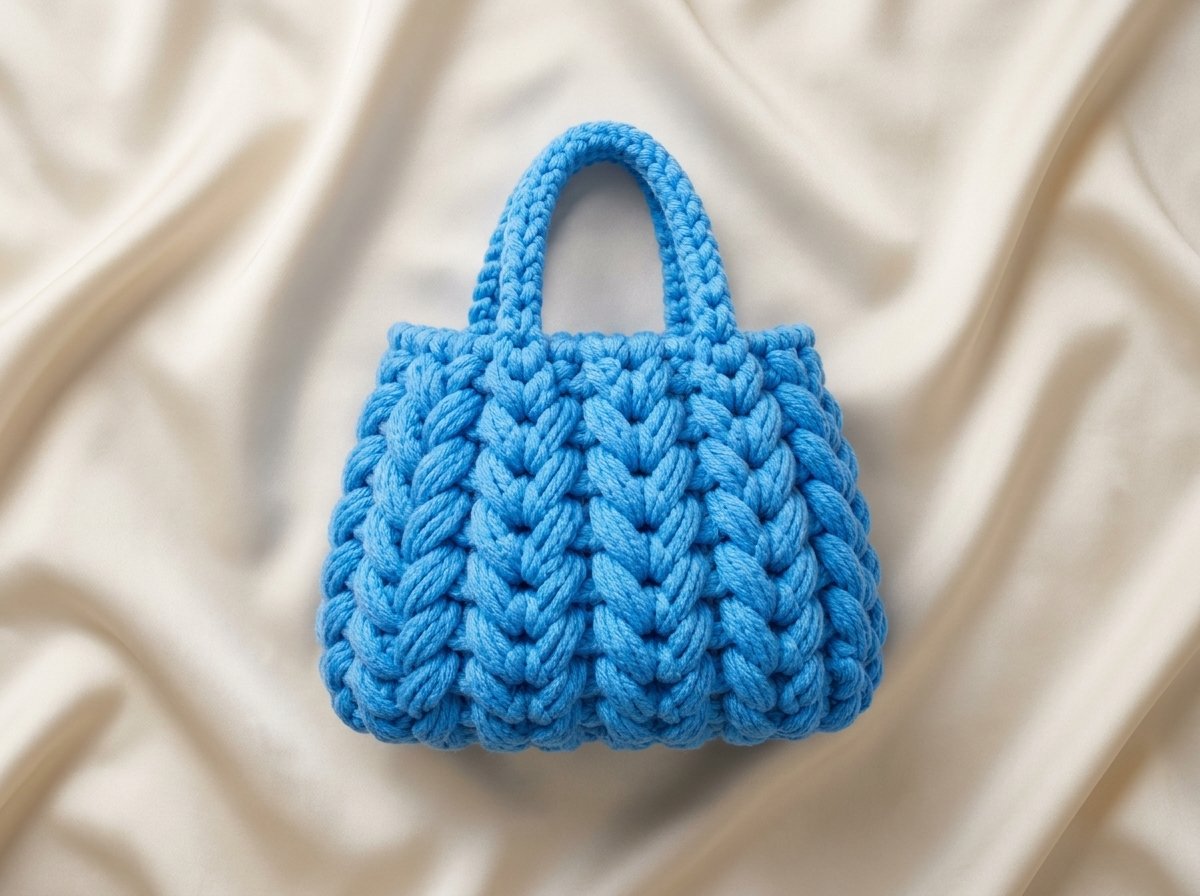
The blue textured crochet bag is the most eye-catching project shown in this stitch-focused tutorial. Its vivid blue fabric, rounded top, and pair of sturdy-looking handles create a cheerful handmade accessory with plenty of visual presence. The same textured idea is also presented as a useful option for headbands, blankets, scarves, and other projects, making the tutorial appealing to crocheters who enjoy learning a stitch that can travel beyond one finished item.
What makes the blue textured crochet bag stand out?
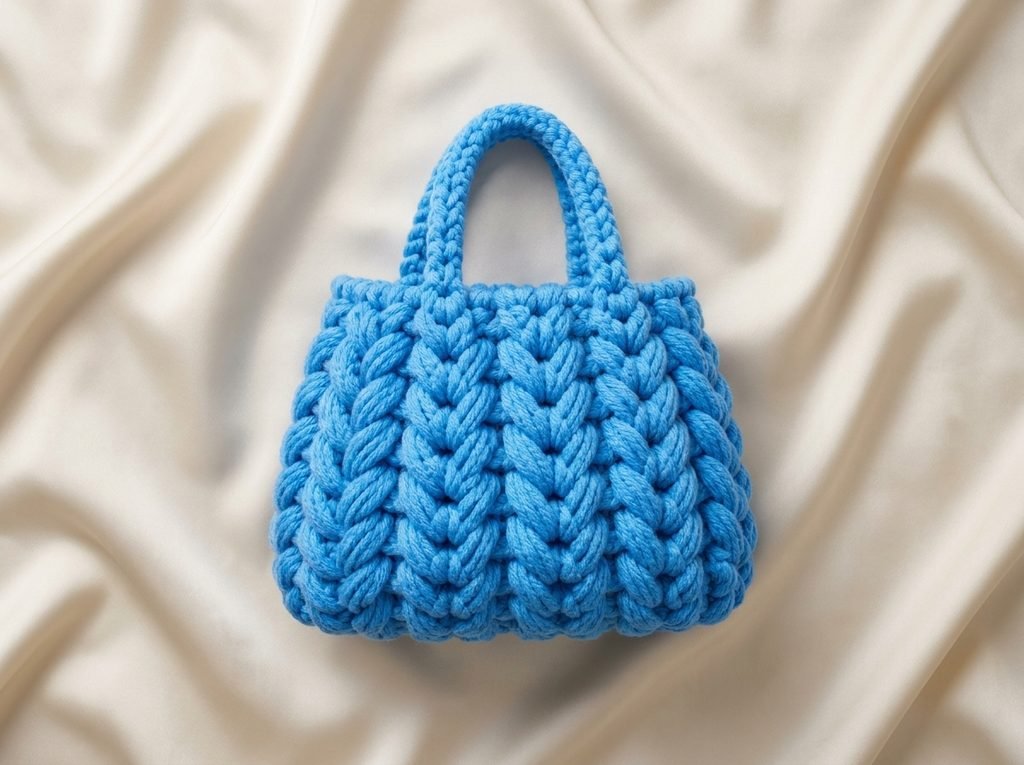
Visually, the blue textured crochet bag has a compact, upright silhouette and a richly raised surface. The fabric appears dense, with repeating braided or leaf-like columns that give the bag a pronounced three-dimensional effect. The bright blue color emphasizes every ridge and loop, while the matching handles keep the design coordinated rather than distracting from the stitchwork.
The thumbnail also shows the stitch being explored as a vertical sample. That comparison is useful because it reveals how a small repeat can become a complete fabric. Instead of relying on color changes or elaborate decoration, the design gets its character from depth, repetition, and the way the loops sit across the surface.
Why try this textured crochet project?
A blue textured crochet bag can be a rewarding choice for anyone who wants a practical project with a dramatic finish. The raised surface gives a simple color a lot of personality, so there is no need to add numerous embellishments. It may suit crocheters who like tactile fabric, bold accessories, or handmade gifts that look distinctive without depending on complicated colorwork.
The tutorial’s wider appeal comes from its versatility. A narrow strip could inspire a headband, while a larger panel could become part of a blanket or scarf. The dense appearance may also appeal to makers planning a decorative fabric for garments or home accessories, although the final drape and comfort will depend on the yarn and finished dimensions selected.
Planning your blue textured crochet bag
Before beginning, decide how you want the finished item to function. A small everyday bag may benefit from a firm, stable fabric, while a softer accessory may call for a more flexible result. Since the visible stitch is highly dimensional, consider how much room the texture will occupy when estimating the project’s overall proportions. Editorially, it is wise to make a small sample first rather than assuming the fabric will behave like a flatter stitch.
Pay attention to the relationship between the body and handles. The example has handles that visually rise above the bag without overwhelming its width. If you customize the shape, keep the opening wide enough for comfortable access and consider whether the handles should be short, long, rounded, or suitable for wearing over the shoulder. The tutorial should be treated as the authority for the construction details, while your sample can help you judge the look and feel.
What to watch in the blue textured crochet bag tutorial
The key learning moment is the formation of multiple loops and the controlled closing process used to build the thick surface. Watch how the loops are collected, where the hook enters, and how the group is secured. With a raised stitch, a small change in tension or insertion point can make neighboring motifs look uneven, so it helps to pause and compare each new section with the previous one.
Look closely at the transition between textured sections and the edges. The center of the fabric may be forgiving because the repeated motifs hide minor variation, but side edges and the top opening are more visible. If the demonstration moves quickly, replay the relevant portion and practice the motion over a short sample before committing to the full blue textured crochet bag.
Color and customization ideas
The vivid blue shown here makes the texture the clear focal point. You could preserve that effect with another saturated solid shade, or try a lighter color if you want the raised loops to create softer shadows. A neutral version may look more understated, while two related shades could create a subtle tonal effect. If using multiple colors, plan the transitions carefully so they support rather than interrupt the braided appearance.
Shape is another easy way to personalize the design. The visible bag has a straightforward body, but the stitch could be explored on a wider tote, a smaller pouch, or a compact shoulder bag. A contrasting border might frame the surface, while simple matching handles would maintain the clean look. For a headband or scarf, test the fabric against the skin first; a heavily textured stitch can be attractive but may feel different from a smooth fabric.
Finishing and troubleshooting advice
If the motifs look loose, crowded, or inconsistent, compare your tension with the tutorial sample and inspect whether every loop is being drawn to a similar height. Avoid pulling one loop dramatically tighter than the others. When the fabric begins to curl or lean, stop and check the edges before continuing, since correcting the issue early is usually easier than disguising it later.
A dense textured fabric may also feel heavier than a flatter fabric made with the same amount of yarn. For that reason, test the handles and attachment points with the finished fabric’s likely weight in mind. Reinforcing high-stress areas is sensible general practice, but the exact method should be confirmed from the tutorial or adapted cautiously to your project.
For care, follow the yarn label whenever it is available and avoid assuming that a raised stitch can tolerate aggressive washing or high heat. Shape the item gently while damp if needed, and allow it to dry fully before storing. Keep the textured surface away from rough fasteners that could catch the loops.
Creator
Frequently asked questions
Is the blue textured crochet bag the only project shown?
No. The tutorial presents the stitch as a versatile idea for headbands, bags, blankets, scarves, and other handmade projects. The blue bag is the clearest finished example in the supplied visual material.
What creates the raised look in the blue textured crochet bag?
The description explains that multiple loops are built up on the hook and then closed to form a thick, braided-looking texture. Follow the demonstration closely for the exact motion and terminology used by the creator.
Would this stitch work for a blanket?
It may, and the tutorial specifically mentions blankets as a possible use. Make a sample first to assess weight, drape, warmth, and how much yarn the dimensional fabric requires before planning a large blanket.
How can I make the blue textured crochet bag look more even?
Keep loop heights and tension as consistent as possible, and pause often to compare the newest motifs with earlier ones. If a section seems noticeably different, review that part of the tutorial before continuing.
Can I change the handles or color?
Yes, the visible design can inspire different handle proportions and color choices. Keep the stitch sample nearby while customizing so the new shape and color still show the texture clearly.
Final thoughts
The blue textured crochet bag is a lively example of how one dimensional stitch can turn a simple accessory into a statement piece. Start with a small practice section, study the loop-closing motion, and let the sample guide your choices about size, handles, color, and care. Whether you make the bag or adapt the texture for another project, this tutorial offers a strong foundation for creating richly tactile crochet fabric.
Watch the Original Crochet Tutorial
Watch the complete visual demonstration from the original creator below.

Tutorial created by: Knitting Love
One Comment